
An apparel inspection should answer whether the inspected goods match the approved specification and what action is required when they do not. A repeatable checklist makes the result easier to compare across styles, inspectors, and shipments.
Prepare references before opening cartons
The inspector should have the current tech pack, purchase order, approved sample details, color and material references, packing instructions, and approved artwork. Version mismatches can turn an otherwise careful inspection into the wrong comparison.
Confirm carton count, style-color-size assortment, and how units will be selected. Sampling plans and acceptance criteria depend on the buyer’s program and risk level; confirm them for the final order.
Measure consistently and record actual values
Condition and place garments consistently, then follow the specified point-of-measure method. Record actual results for the selected units so repeated deviations and borderline patterns can be seen.
Review appearance as well as dimensions. A garment can be within individual tolerances but still show poor balance, twisting, uneven hems, or mismatched panels.
| Inspection area | Typical checkpoints | Evidence |
|---|---|---|
| Measurements | Key points and tolerances | Actual values by unit |
| Workmanship | Seams, stitches, symmetry, pressing | Defect location and photo |
| Function | Zippers, buttons, elastic, drawcords | Operation test result |
| Packing | Fold, bag, label, assortment, carton | Pack specification comparison |
Inspect construction and appearance by style
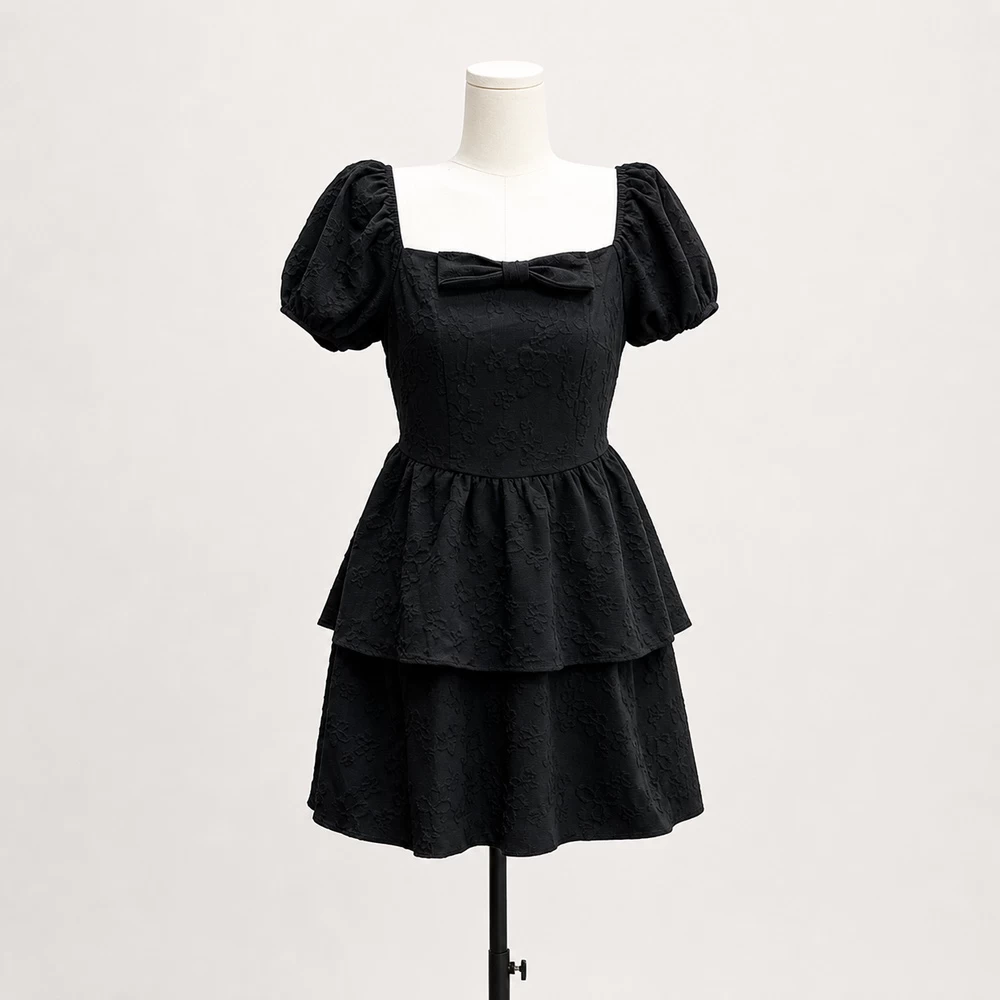
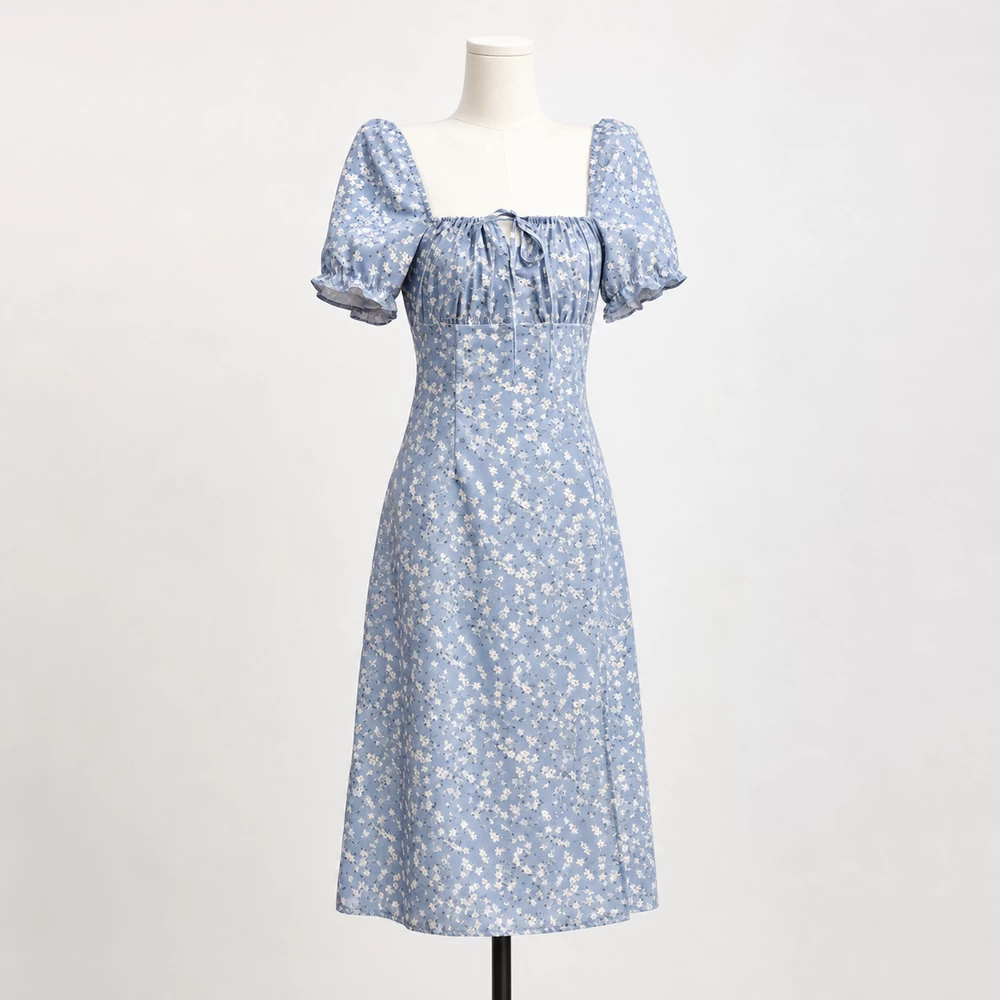
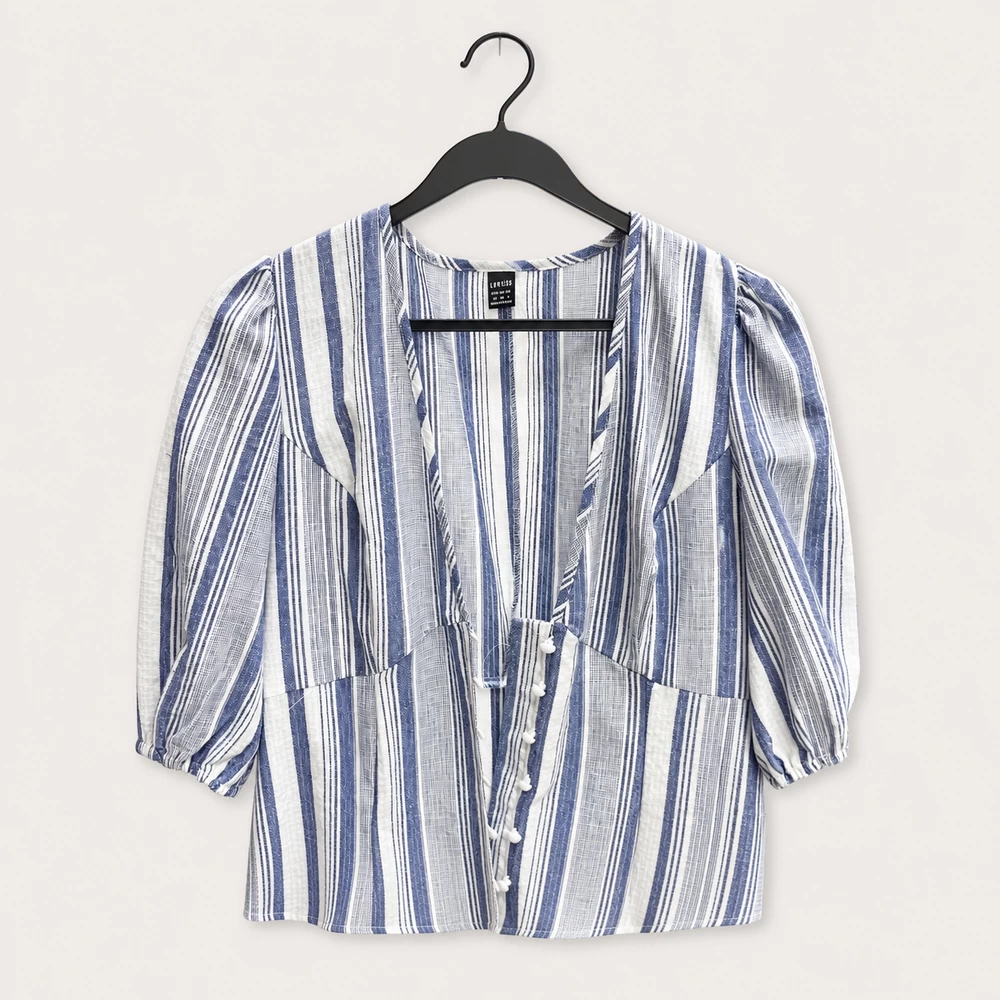
A tiered mini dress needs checks for tier alignment, gathering distribution, sleeve symmetry, neckline shape, and hem level. A blouse may need additional review of stripe matching, placket alignment, cuff shape, and button security.
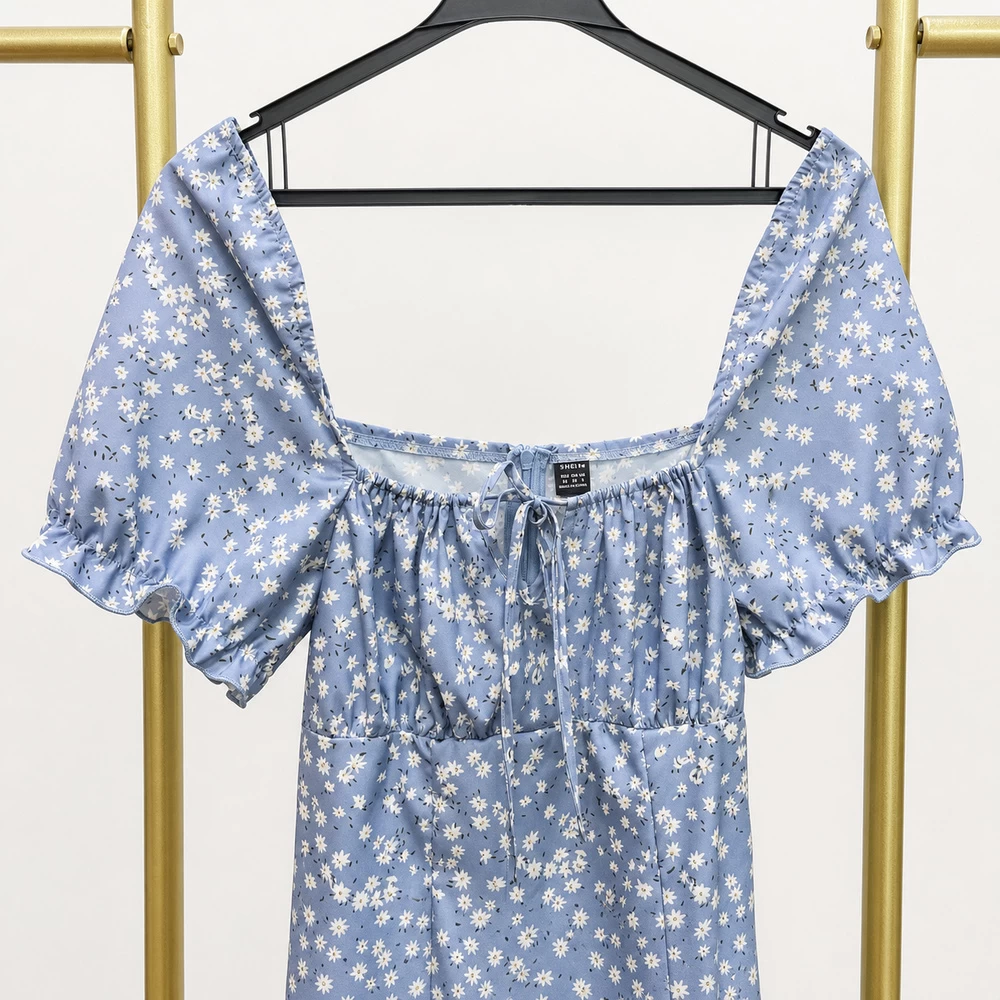
Look inside the garment for seam allowance, raw edge control, skipped stitches, unsecured thread ends, puckering, needle damage, stains, and shade variation. Functional areas should be operated several times without forcing them.
- Compare left and right sides
- Check stress points and reinforcement
- View pale or sheer fabric over contrast
- Inspect print or stripe direction across panels
Make the result actionable
Classify findings using the agreed defect definitions and include clear photos, locations, counts, and affected styles. The report should distinguish isolated workmanship issues from repeated process or specification problems.
Inspection is one control point, not a substitute for clear product development. Buyers can review the factory page and discuss product-specific quality requirements before an order is finalized.
Buyer FAQ
Is final inspection enough to control quality?
It can identify shipment-stage issues but cannot efficiently correct every upstream problem. Clear specifications and in-process controls remain important.
Which measurements should be checked?
Prioritize fit-critical and construction-sensitive points, then add style-specific measurements based on the approved specification.
How are defects classified?
Definitions vary by buyer, product, and risk. Agree the categories and examples before inspection.
Should packaging be inspected?
Yes. Confirm fold, individual packing, labels, assortment, carton markings, quantity, and protection against expected handling conditions.
Prepare a clearer sourcing request
Share the product type, material, size range, intended use, customization, order quantity, packing standard, destination, and timing. Include the latest specification and inspection criteria.
Contact us