
Minimum order quantity is not only a supplier number; it is the result of materials, color commitments, cutting, setup, packaging, and commercial risk. Buyers make better assortment decisions when they separate the total order from the quantity per style, color, and size.
Break the MOQ into its real components
Ask whether the minimum applies per order, style, fabric, color, print, or size. A total quantity can appear acceptable while the color split falls below a dye lot or material purchasing requirement.
Setup work also varies by design. New patterns, prints, embroidery, labels, hardware, and packaging can each introduce a separate minimum or fixed charge. Confirm all values with the supplier based on the final specification.
| MOQ driver | Buyer question | Possible planning response |
|---|---|---|
| Fabric | Is the minimum per quality or color? | Share one base fabric across styles |
| Trim | Is it stock or customized? | Use a common approved component |
| Color | What is the color-level minimum? | Prioritize core colors |
| Packaging | Does custom print require a run? | Start with a simpler compliant pack |
Build a demand-led size and color curve
Use channel history, customer profile, season, price point, and fit feedback to create an initial ratio. Do not divide units evenly unless demand is genuinely even.
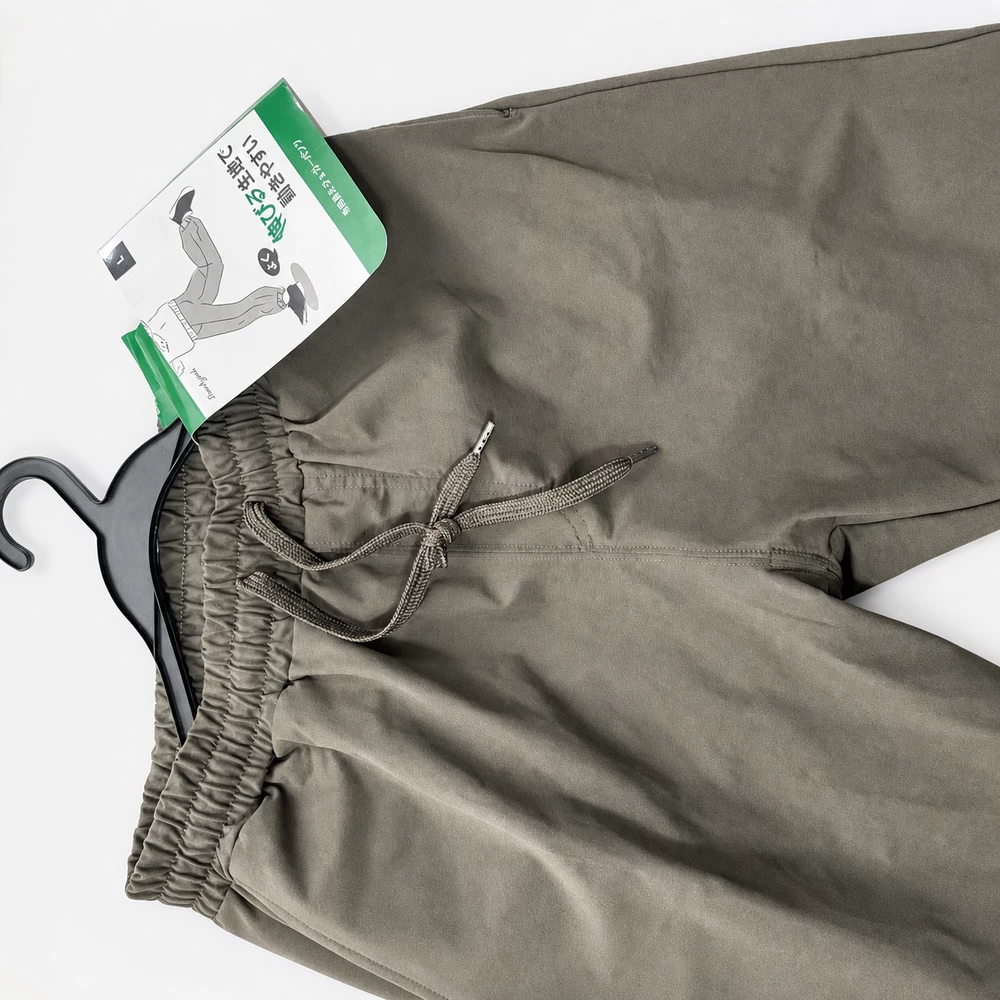
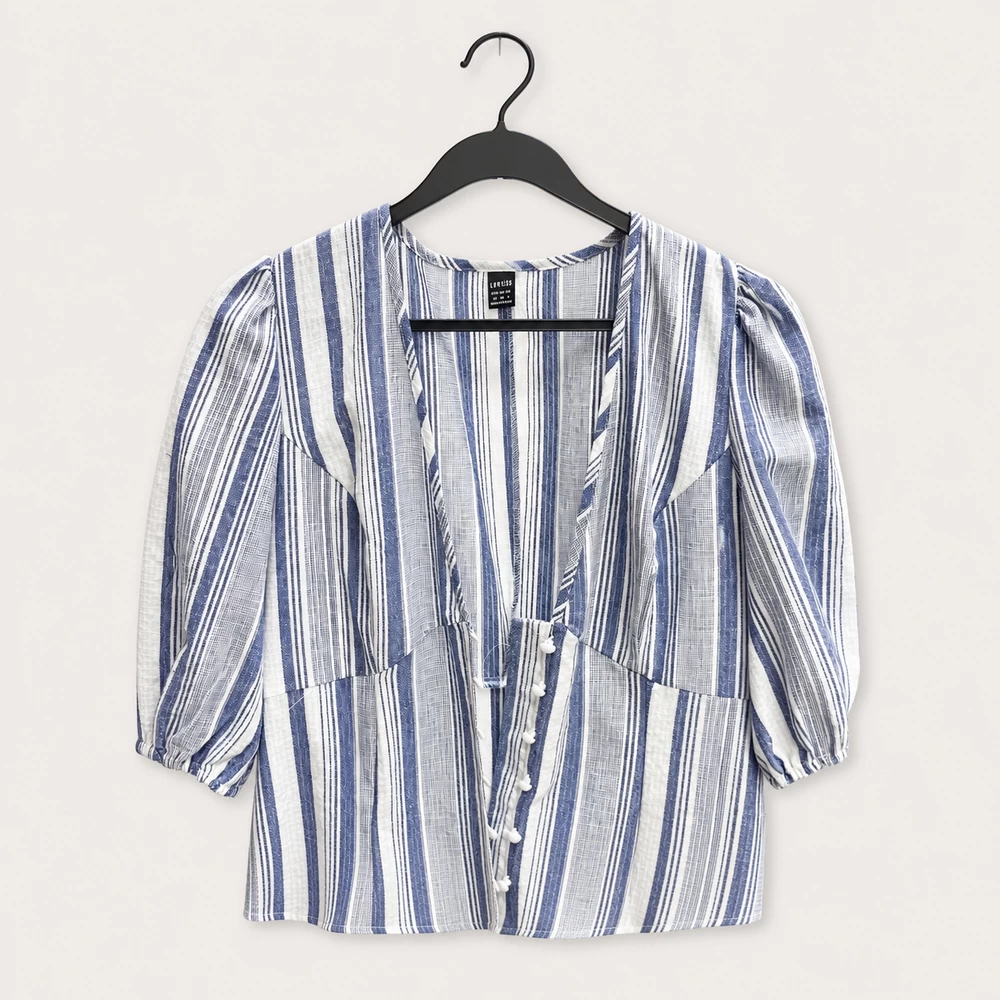
Different products can require different curves: a relaxed jogger and a fitted blouse may not sell through the same size mix. Keep assumptions visible so the first order can improve the next forecast.
Use controlled variety to reduce exposure
Variety can be created through color, print, silhouette, or styling details, but changing every element fragments volume. Identify the features customers notice and standardize less visible components where practical.
Consider a core-and-test structure: allocate more units to established colors or shapes and a smaller controlled share to new options, subject to the supplier’s feasible minimums. Avoid presenting this as a guaranteed sell-through strategy.
- Keep common fabric qualities across related styles
- Limit unproven colors in the first buy
- Reuse approved labels and trims when appropriate
- Track sell-through and returns by size and color
Compare quotes on an equal basis
When reviewing options, hold material, construction, labeling, inspection, and packing assumptions constant. A quote at a different quantity or specification is not a direct comparison.
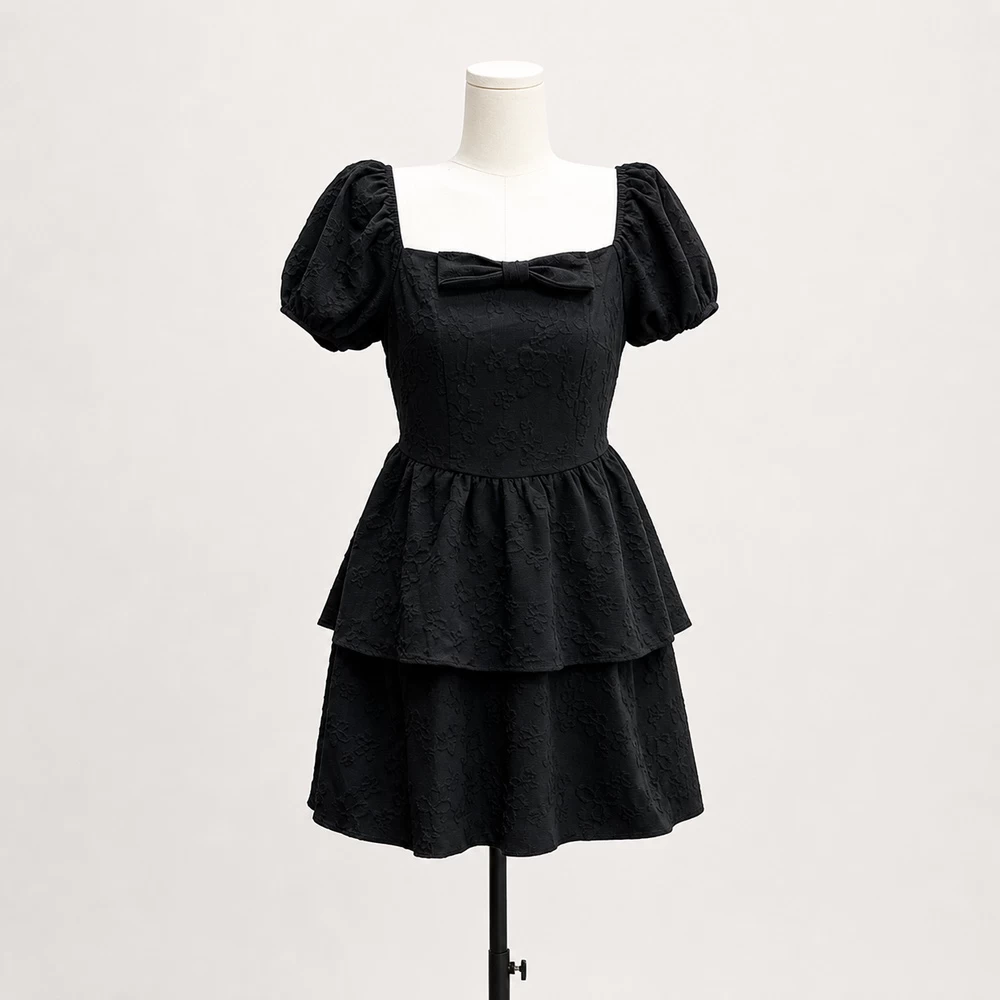
Browse the available apparel styles to identify silhouette families, then send the intended style-color-size matrix for feasibility review.
Buyer FAQ
Can different sizes be mixed within one MOQ?
Often they can, but the allowed size split depends on the product and production plan. Confirm the final matrix with the supplier.
Can multiple colors share one minimum?
Sometimes the order minimum and color minimum differ. Ask for both before finalizing the assortment.
Does a lower MOQ always reduce risk?
It reduces unit exposure but can increase cost per unit or limit customization. Compare the full commercial effect.
When should the size curve be revised?
Review it after reliable sell-through, return, and fit data becomes available for the relevant customer group.
Prepare a clearer sourcing request
Send the style list, fabric direction, color plan, size range, customization, estimated quantity, packaging, destination, and timing. A style-color-size matrix is especially helpful.
Contact us