
Sample approval is the point where a buyer converts expectations into a documented production reference. A quick “looks good” can leave unresolved differences in fit, material, color, construction, labeling, or packing.
Confirm sample type and review purpose
A development sample, fit sample, size-set sample, pre-production sample, and shipment sample answer different questions. Label the sample stage so neither side assumes that an early prototype approves production materials or workmanship.
Start the review with the style number, sample date, version, base size, and list of changes from the prior round. Photograph the sample consistently so visual comments can be located later.
Check fit and measurements systematically
Measure the garment using the same method stated in the tech pack and compare each point with the target and tolerance. Fit should also be evaluated on the intended body or fit form because measurements alone do not show balance, mobility, drag lines, or comfort.
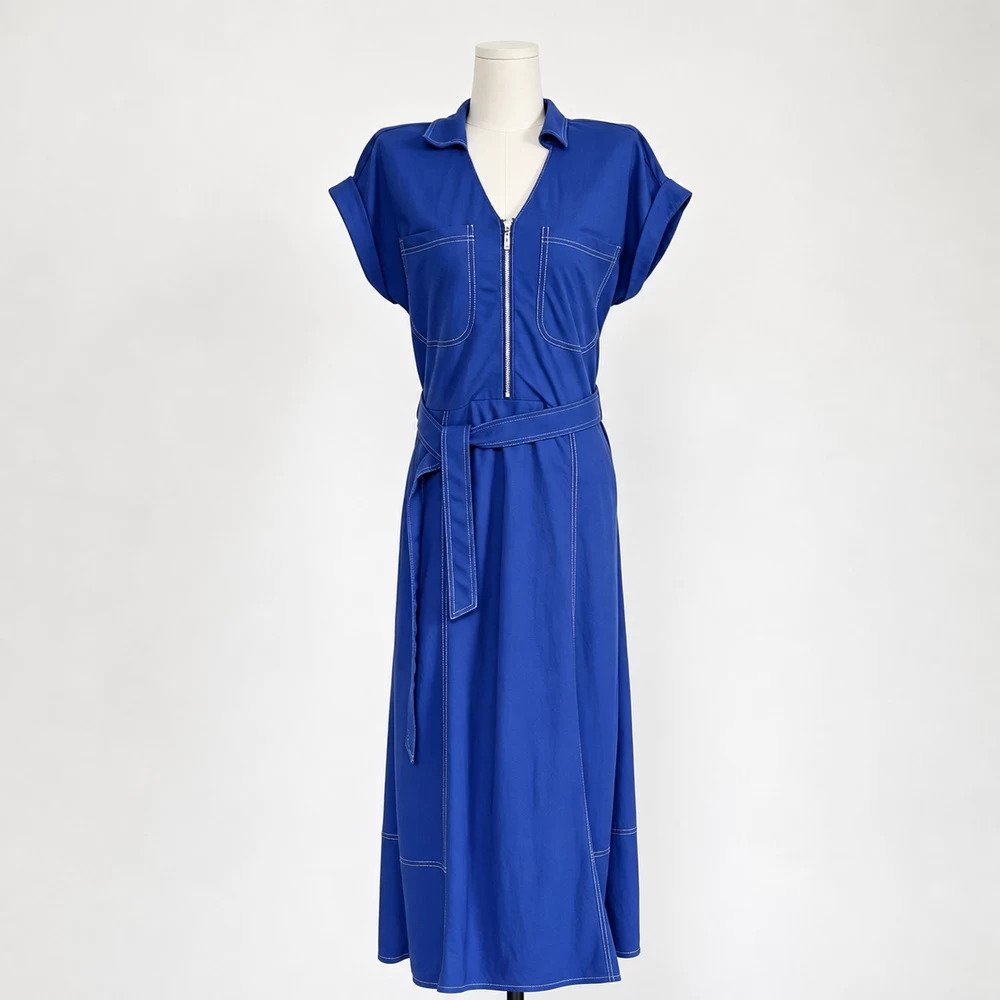
For a shaped style such as a belted zip-front dress, review zipper behavior, waist placement, belt position, hem balance, and movement while sitting and walking.
- Measure before extended wear or stretching
- Record actual values rather than only pass/fail
- Separate pattern issues from sewing issues
- Recheck affected points after any pattern change
Review materials, color, and workmanship
Compare fabric, lining, trims, thread, labels, and artwork with approved references under suitable light. Check hand feel, opacity, stretch and recovery, print placement, shade, and component function.
Inspect seam appearance, stitch security, tension, symmetry, edge finishing, reinforcement, pressing, and loose threads. A beautiful front view does not compensate for unstable seams or inconsistent internal construction.
| Area | Evidence to compare | Approval record |
|---|---|---|
| Material | Approved swatch or standard | Composition and reference |
| Color | Approved lab dip or standard | Light source and decision |
| Workmanship | Tech pack and sample comments | Photos and defect notes |
| Branding | Artwork and placement file | Dimensions and position |
Close approval with controlled documentation
Issue one consolidated comment file instead of separate messages from several reviewers. Mark each point as approved, revise, pending, or not applicable, and name the person responsible for the next action.
If the sample is accepted, identify the sealed or signed reference and the matching tech pack version. Use the contact page to submit a structured request when discussing a new private label style.
Buyer FAQ
Can a fit sample approve bulk fabric?
Only if the agreed sample purpose includes the final bulk-quality fabric. Otherwise, material approval should remain a separate recorded decision.
What if one measurement is outside tolerance?
Assess its fit and production impact, identify the cause, and document the required correction. Do not silently widen the tolerance after review.
Should buyers keep a duplicate approval sample?
A retained reference can help both parties compare production, provided both samples are identified and confirmed as equivalent.
How should subjective comments be written?
Translate comments such as “too loose” into a location, measured change, visual reference, and expected result.
Prepare a clearer sourcing request
Provide the style, material, size range, use, branding, quantity, packaging, destination, timeline, and current sample stage. Include the latest tech pack and a consolidated comment sheet.
Contact us