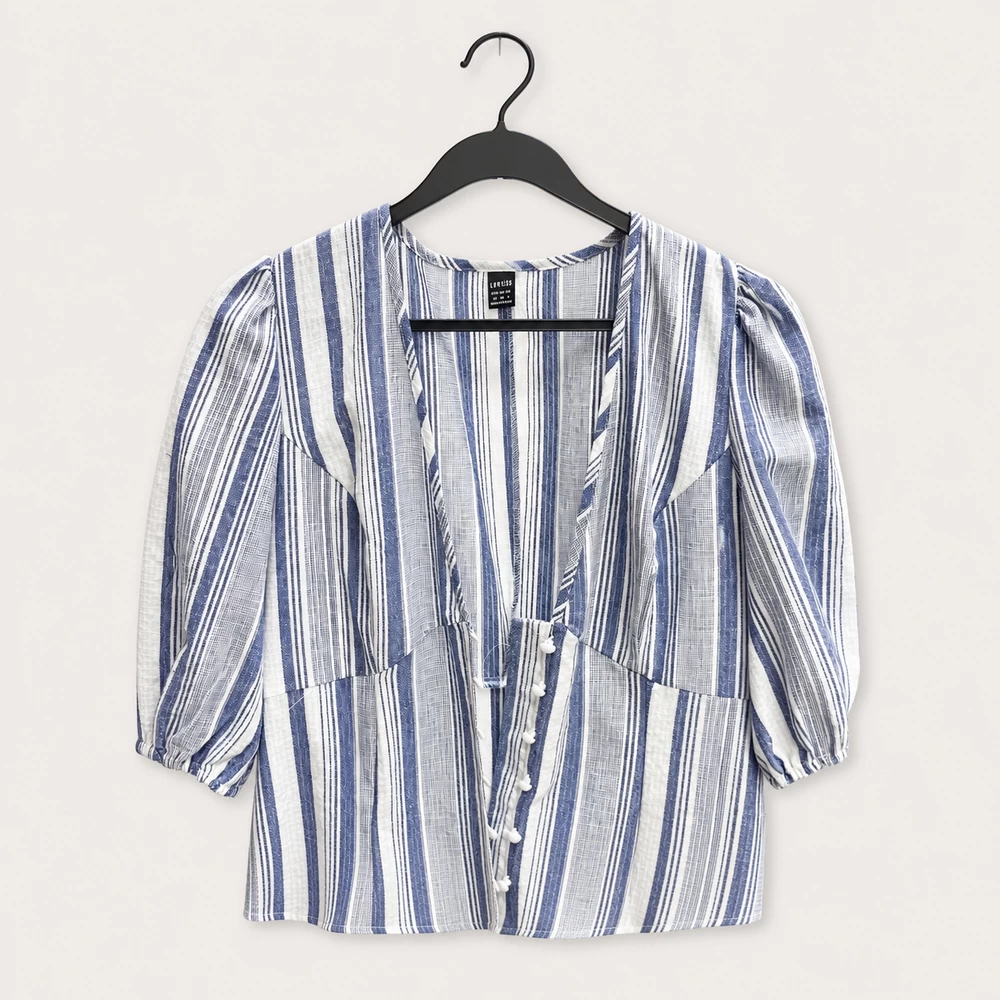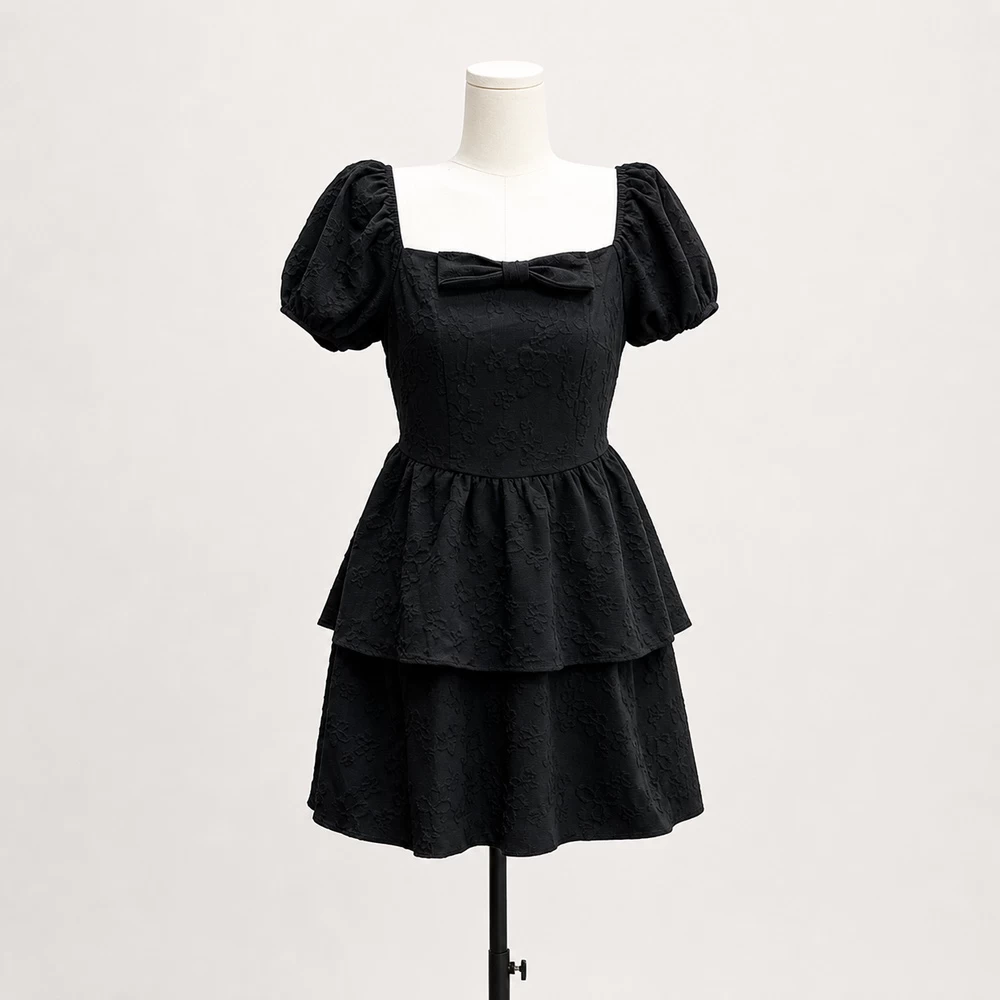

Labels are part of the product specification, not a final packing detail. U.S. requirements can vary by product and material, so importers should confirm the applicable rules and verify that production labels match supported product information.
Know the core label information
The U.S. Federal Trade Commission explains that most textile products require labels identifying fiber content, country of origin, and the responsible company name or Registered Identification Number. Review the FTC’s Textile and Wool Acts labeling guide for scope, wording, placement, and exceptions.
U.S. Customs and Border Protection also provides textile import guidance covering origin marking and related import considerations. Requirements depend on the product and supply chain, so obtain qualified advice for the final goods.
| Label element | Buyer verification | Useful file |
|---|---|---|
| Fiber content | Matches supported composition | Material record or test |
| Country of origin | Matches applicable origin rules | Production and sourcing record |
| Company identity | Correct name or RN where permitted | Approved legal identity |
| Care instructions | Supported by a reasonable basis | Care testing or technical basis |
Treat care instructions as a technical decision
The FTC’s Care Labeling Rule guide states that manufacturers and importers must provide care instructions and have a reasonable basis for them. The care method should account for the complete garment, including fabric, trims, color, print, lining, and construction.
Do not copy a care statement from a similar garment without checking material and component differences. Confirm the final instruction through appropriate evidence for the finished product.
Control artwork, placement, and permanence
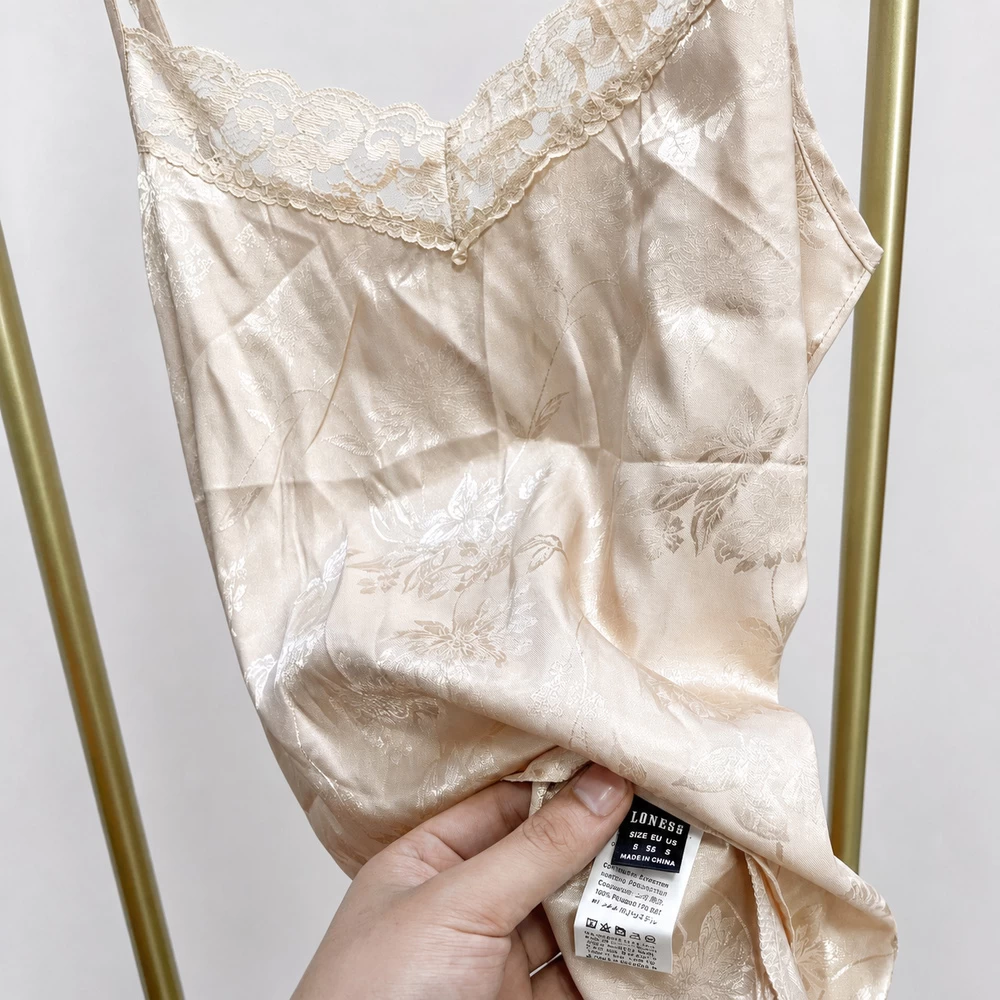
The label file should specify exact wording, typography, language, dimensions, material, color, fold, attachment method, and placement. Review legibility at production size and ensure the label remains accessible for the intended life of the garment where required.
For a delicate style such as an ivory lace-trim camisole, consider how label material and seam placement affect comfort as well as compliance. Comfort decisions must not remove required information.
- Approve a full-size artwork proof
- Check spelling and fiber percentages
- Verify label-to-style mapping
- Retain the approved sample and source files
Create an importer review gate
Before bulk labeling, the importer should check product classification, rule applicability, substantiation records, wording, translation needs, placement, and consistency across the purchase order and packaging. A second-person review can catch simple but costly artwork errors.
This guide is general business information and not legal advice. Confirm the requirements with the relevant agencies and qualified advisers for the final product and transaction.
Buyer FAQ
Can the brand name replace the company identity requirement?
Not automatically. Review the FTC rules for use of a company name or RN and confirm the final identity format.
Who is responsible for care labeling on imports?
The FTC guidance assigns responsibilities to manufacturers and importers. Importers should ensure labels are attached before sale and supported by a reasonable basis.
Can fiber content be rounded?
Specific tolerances and exceptions may apply. Use verified composition data and review the current FTC guidance for the final wording.
Does every garment use the same label placement?
No. Placement and attachment depend on the applicable rule and product construction; confirm both before production.
Prepare a clearer sourcing request
Send the garment type, confirmed material composition, size range, market, branding, quantity, packaging, destination, and timing. Include draft label artwork and any buyer compliance standard for review.
Contact us