
Women’s tops can look simple while carrying significant fit and construction risk around the neckline, bust, armhole, sleeve, and hem. Wholesale buyers should evaluate the product as a complete offer: target customer, styling role, material behavior, price position, and repeatability.
Define the customer and assortment role
State the target customer, season, climate, channel, styling use, and expected fit. A layering camisole, office blouse, casual tunic, and occasion top solve different wardrobe needs and should not share one generic specification.
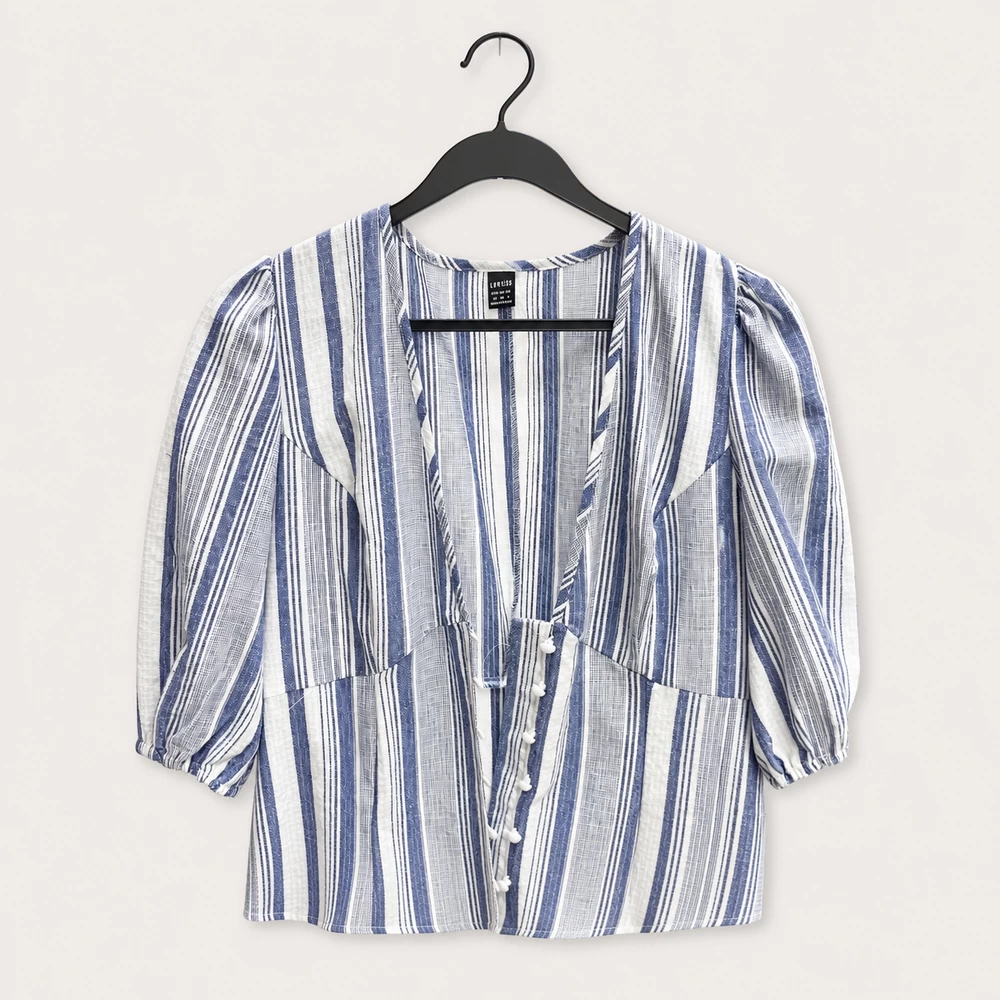
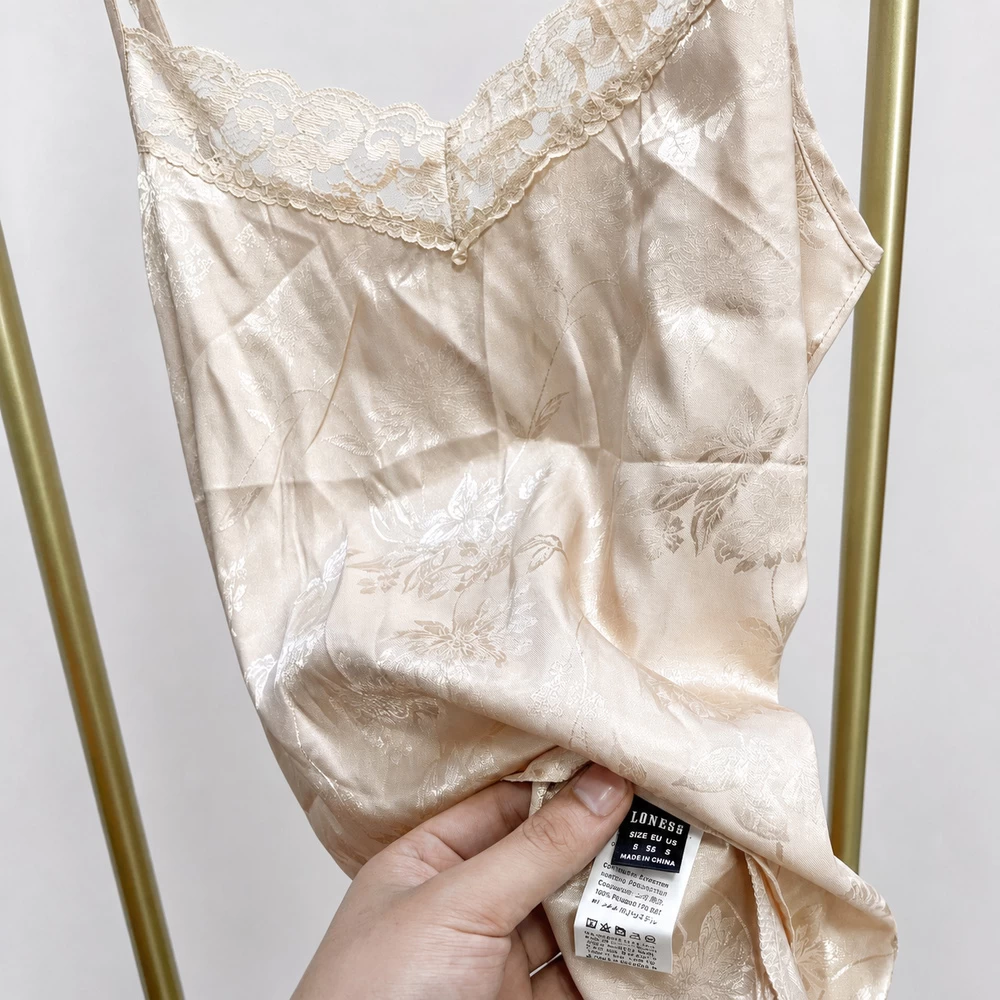
Compare a structured striped puff-sleeve blouse with a fluid lace-trim camisole to identify which attributes drive the offer. Note the preferred neckline coverage, sleeve volume, body ease, length, and styling compatibility.
Evaluate fit where returns often begin
Review bust ease, shoulder slope, armhole shape, sleeve mobility, neckline stability, and overall length on the intended size range. For adjustable straps, ties, elastic, or wrap constructions, test the usable adjustment range and whether the garment remains balanced.
Ask for the point-of-measure chart and grading rules. If the target customer or fit block differs from the supplier’s standard, provide measurements or a reference garment and document the required changes.
- Neckline position and gaping
- Arm movement without pulling
- Bust and waist ease
- Hem coverage when sitting or reaching
Match fabric and construction to end use
Consider opacity, drape, stretch, recovery, skin feel, wrinkle appearance, and care. Lightweight tops may need facing, lining, binding, or clean internal finishing to control the neckline and armhole.
Inspect seam type, topstitching, button or zipper security, stress reinforcement, pattern matching, and edge finishing. Decorative details such as lace, ruffles, pleats, or gathers need placement and symmetry standards.
| Top type | Fit focus | Material or construction focus |
|---|---|---|
| Blouse | Shoulder, bust, sleeve | Placket, cuff, seam appearance |
| Camisole | Strap, neckline, armhole | Opacity, binding, delicate trim |
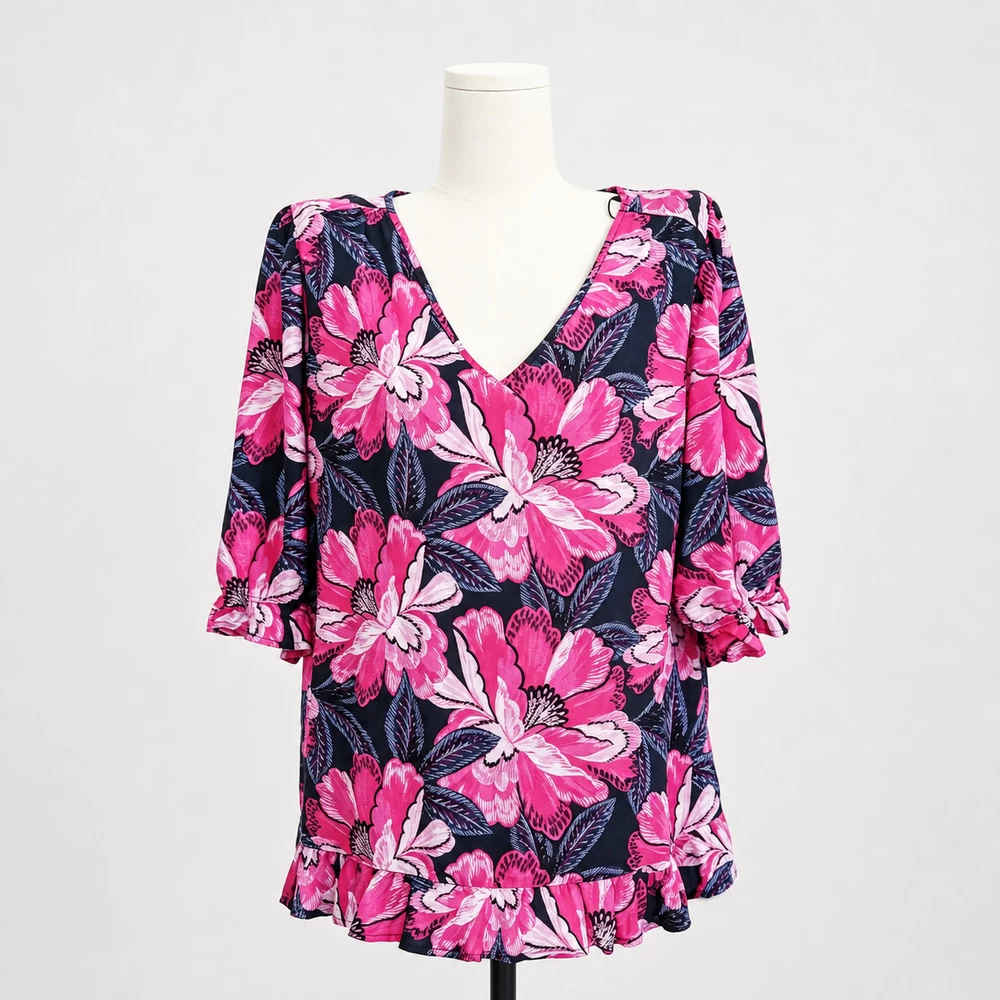
| Tunic | Ease, length, side shape | Drape, hem balance, print placement |
Build a controlled wholesale buy
Choose colors and sizes from customer data where available, then confirm the supplier’s quantity structure. Photograph and measure approved samples so repeat orders can be compared with the same references.
Explore the full apparel collection for potential assortment combinations, and send a clear specification before requesting a final quotation.
Buyer FAQ
What is the most important measurement for a women’s top?
There is no single universal point. Bust, shoulder, armhole, length, and neckline can all control fit depending on the silhouette.
How can buyers check opacity?
Review the final color over contrasting backgrounds and under realistic light, both relaxed and at expected stretch.
Should every top use the same size curve?
No. Fit, customer profile, channel data, and silhouette can change demand by size.
What should be approved before a repeat order?
Confirm the current specification, material and color references, label and packing files, and any changes from the previous order.
Prepare a clearer sourcing request
Share the top category, material direction, size range, customer use, customization, planned quantity, packaging, destination, and timing. Add fit references or key body measurements when available.
Contact us