
Apparel packaging must protect the garment, preserve presentation, communicate the right information, and support efficient receiving. A complete specification connects the individual fold and bag to carton assortment, markings, handling, and the destination’s requirements.
Design the fold around the garment
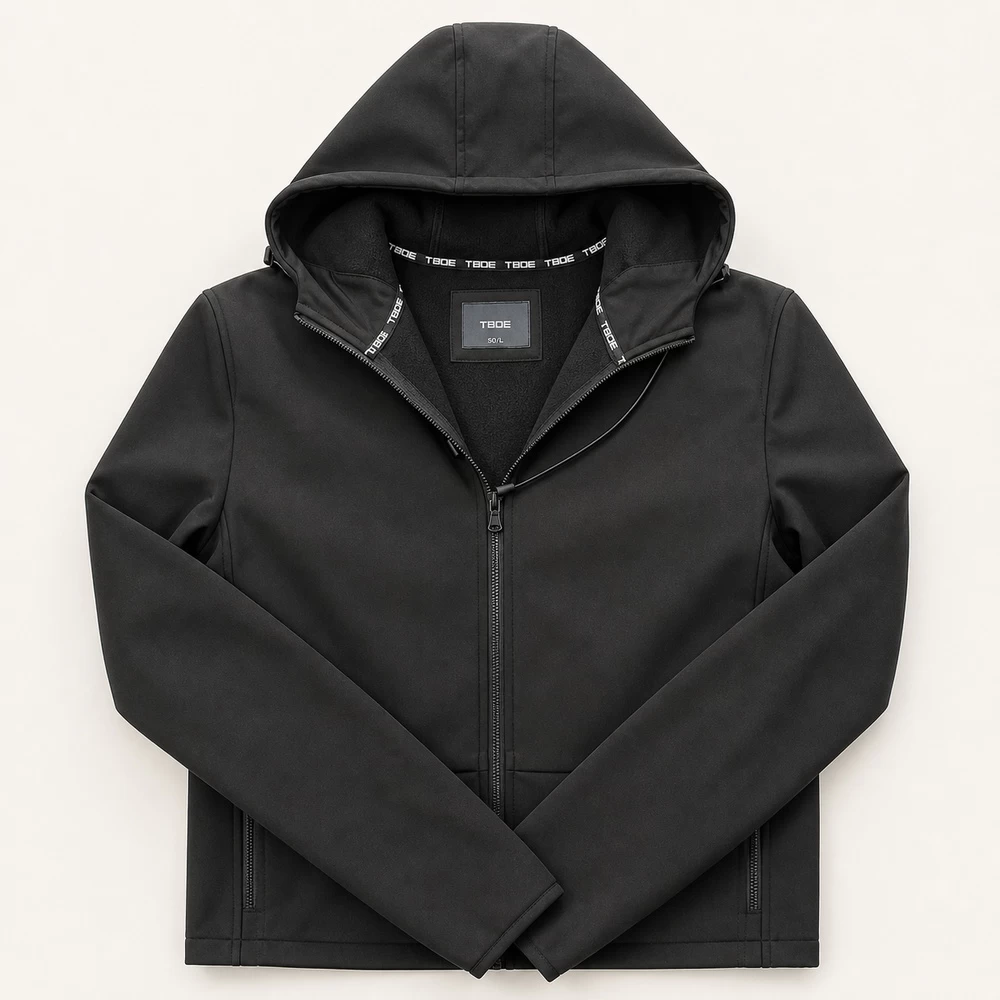
The fold should limit severe creasing, protect trims, fit the intended package, and present the product consistently. Long dresses, padded jackets, tailored trousers, and delicate blouses need different fold logic.
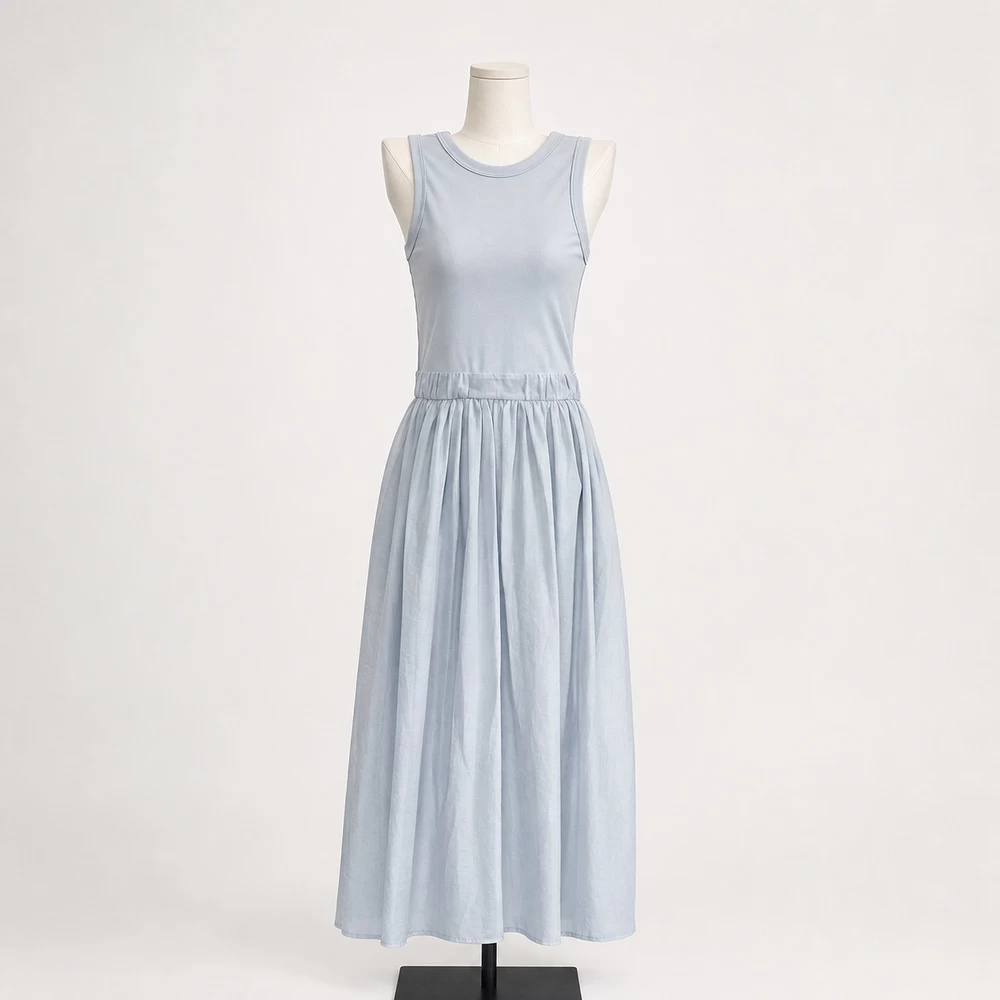
For a gathered maxi dress, control skirt folds and protect the neckline so volume does not shift into a bulky package. Add tissue, support, or component protection only when the final product requires it.
- Written fold sequence with photos or diagram
- Protection for hardware, print, and delicate trims
- Finished pack dimensions
- Approved presentation after unpacking
Specify individual protection and labels
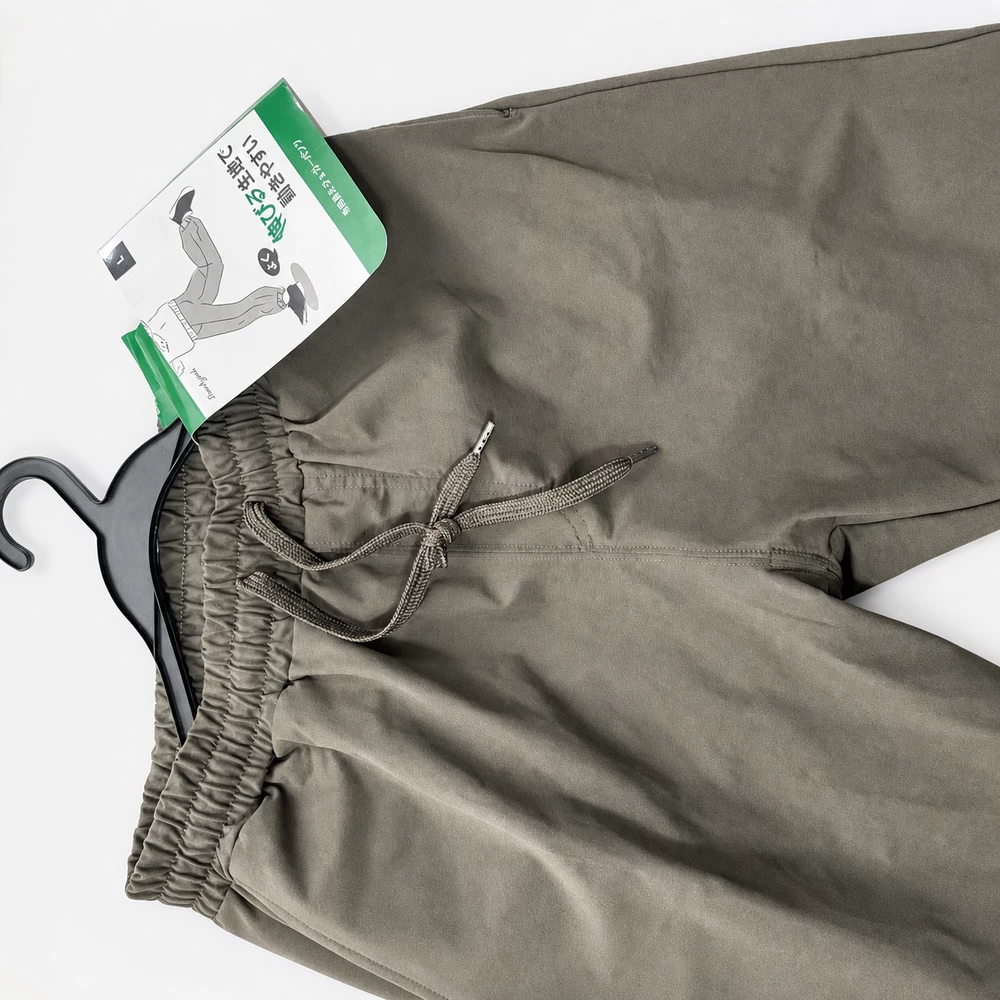
State bag material, dimensions, thickness or performance requirement, closure, ventilation or safety features where applicable, recycling or disposal marks, and printed warning requirements for the destination. Requirements vary, so confirm them for the final market and channel.
Identify every sticker and its data source, including style, color, size, barcode, purchase order, or carton relationship. Use a placement diagram and test scanning through the chosen material if required.
Build carton assortment and strength
Choose solid-size, solid-color, or prepack assortment according to the customer’s receiving process. The carton specification should include dimensions, board or performance standard, closure, maximum weight or handling target, and required markings.
Carton size affects garment compression, container utilization, parcel charges, and warehouse handling. Validate the final pack-out rather than calculating from one empty package.
| Packaging level | Control point | Approval evidence |
|---|---|---|
| Garment | Fold and trim protection | Packed sample |
| Individual pack | Material, size, label placement | Approved bag and artwork |
| Carton | Assortment, strength, dimensions | Pack-out test |
| Shipment | Marks and count reconciliation | Packing list comparison |
Validate before shipment
Conduct a packing trial using production-quality garments and materials. Check compression, moisture risk, label adhesion, barcode readability, carton closure, handling, and garment appearance after unpacking.
Align the result with the buyer, carrier, and destination requirements. Use the contact page to share the intended packing standard with a product inquiry.
Buyer FAQ
Does every garment need an individual polybag?
Not necessarily. The decision depends on channel, protection needs, destination rules, customer requirements, and the approved packaging strategy.
How should carton size be chosen?
Use a real pack-out to balance garment protection, compression, weight, handling, and shipping efficiency.
What is a prepack assortment?
It is a defined mix of sizes or colors packed for a receiving or store allocation process. The exact ratio should be documented.
Can packaging claims be added without evidence?
Environmental or performance claims should be supported and reviewed for the intended market. Avoid unsupported wording.
Prepare a clearer sourcing request
Provide the garment type, material, size range, use, customization, quantity, individual pack requirements, carton assortment, destination, and timing. Include retailer or carrier standards if they apply.
Contact us